Interconnected Systems That Pass Rental Inspections
Fire & Safety Installations in Christiansburg for rental properties where standalone battery units fail Virginia code compliance
Older rental stock near campus in the Radford Road corridor and Falling Branch often lacks interconnected smoke detection and carbon monoxide coverage required by current Virginia Residential Code, creating a recurring rental inspection failure point that delays occupancy and creates liability. Standalone battery-operated smoke detectors do not satisfy Virginia code requirements for rental properties, which mandate hardwired interconnected systems with battery backup so all alarms sound when one device detects smoke or carbon monoxide. Colt Electric and Home Services installs hardwired interconnected fire and safety systems that meet Virginia Residential Code, ensuring rental inspections pass the first time and landlords remain compliant.
Interconnected systems link smoke and CO detectors through dedicated wiring so activation of any single device triggers all alarms throughout the property, providing occupants in remote rooms with immediate notification regardless of where the hazard originates. The hardwired configuration includes battery backup that maintains operation during power outages, meeting the dual-source requirement Virginia code specifies for rental units.
Arrange a property evaluation to identify missing detection points and confirm your rental meets Virginia code before the next inspection.
What Virginia Code Requires for Rental Fire Safety
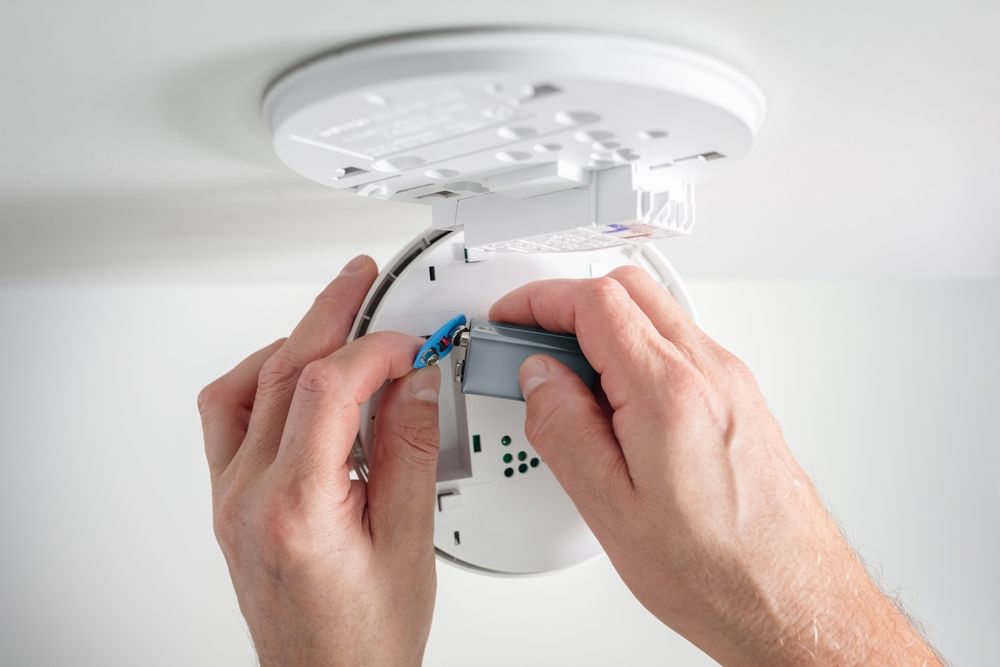
Code-compliant installation involves running interconnect wiring between all smoke and CO detector locations, placing detectors in hallways outside sleeping areas, inside each bedroom, and on every level of the structure including basements. Each device is hardwired to a dedicated circuit with battery backup installed, and the system is tested to verify simultaneous activation across all units when any single detector is triggered.
Once the system is installed, you notice rental inspections that pass without requiring callbacks for additional detection points or wiring corrections, compliance documentation that satisfies insurance underwriters reviewing rental property coverage, and tenants who receive immediate audible warning throughout the unit regardless of where smoke or carbon monoxide is detected. The interconnected design prevents scenarios where occupants in bedrooms sleep through alarms sounding only in distant hallways or basements.
Colt Electric and Home Services coordinates installation with rental turnover schedules, completing fire and safety system work between tenants to avoid disruption. Carbon monoxide detectors are required within 10 feet of sleeping areas in properties with fuel-burning appliances or attached garages, and missing coverage in those locations is a common inspection failure.
Common Questions About Fire and Safety System Installation
Landlords and property managers in the New River Valley often ask about code requirements, inspection timelines, and what separates compliant systems from basic battery-operated units.
Why does Virginia code require interconnected systems instead of standalone battery detectors?
Interconnected systems ensure all alarms sound when one device activates, providing occupants in remote areas with immediate notification rather than relying on a single alarm that may not be audible throughout the property.
What happens during a rental inspection if the fire and safety system doesn't meet code?
Inspections fail when systems lack interconnection, have missing detection points, or use battery-only devices, requiring corrections before occupancy is approved and delaying tenant move-in timelines.
How does hardwired installation differ from battery-operated detector replacement in Christiansburg rentals?
Hardwired installation involves running dedicated wiring between detector locations and connecting devices to a circuit with battery backup, while battery-operated units function independently without interconnection and do not satisfy Virginia rental code.
When should landlords install or upgrade fire and safety systems relative to tenant turnover?
Installation should occur between tenants to allow uninterrupted access for wiring and testing, ensuring the system is fully operational and inspected before new occupants move in.
What documentation is provided after installation?
Licensed installations include permit records, inspection approvals, and compliance documentation that demonstrates the system meets Virginia Residential Code requirements for rental properties.
Colt Electric and Home Services specializes in Virginia code-compliant fire and safety installations for New River Valley rental properties, ensuring
systems pass inspection without delays. Schedule a property assessment to review detection coverage and confirm your rental meets current code requirements.