
Pipes That Survive Freeze Cycles
Plumbing Repairs in Christiansburg for freeze-thaw damage and aging supply lines in crawl space homes
Freeze-thaw cycles in the New River Valley split exposed supply lines in crawl spaces, particularly in older slab-and-crawl mixed housing stock in Falling Branch and Cambria where uninsulated pipes run beneath floors during hard freeze warnings. Pipe material identification before selecting a repair method prevents fitting failures and callbacks that wrong-material repairs create, since PEX, copper, and CPVC each require different fittings, connection methods, and expansion allowances. Colt Electric and Home Services handles plumbing and electrical under one roof, providing multi-trade coverage that addresses freeze damage and related electrical issues from water intrusion without requiring separate contractors.
Material-first diagnostics determine whether damaged sections can be repaired with compression fittings, require soldered copper joints, or need PEX expansion connections based on the existing pipe type and location. Mixing incompatible materials or using incorrect fittings creates joints that fail under pressure cycling or thermal expansion, leading to repeat leaks within months. Licensed work means repairs follow code requirements for material transitions, support spacing, and insulation in freeze-prone areas.
Schedule a plumbing assessment to identify damaged pipe sections and determine the correct repair approach for your supply line material.
Why Material Matching Prevents Repeat Failures
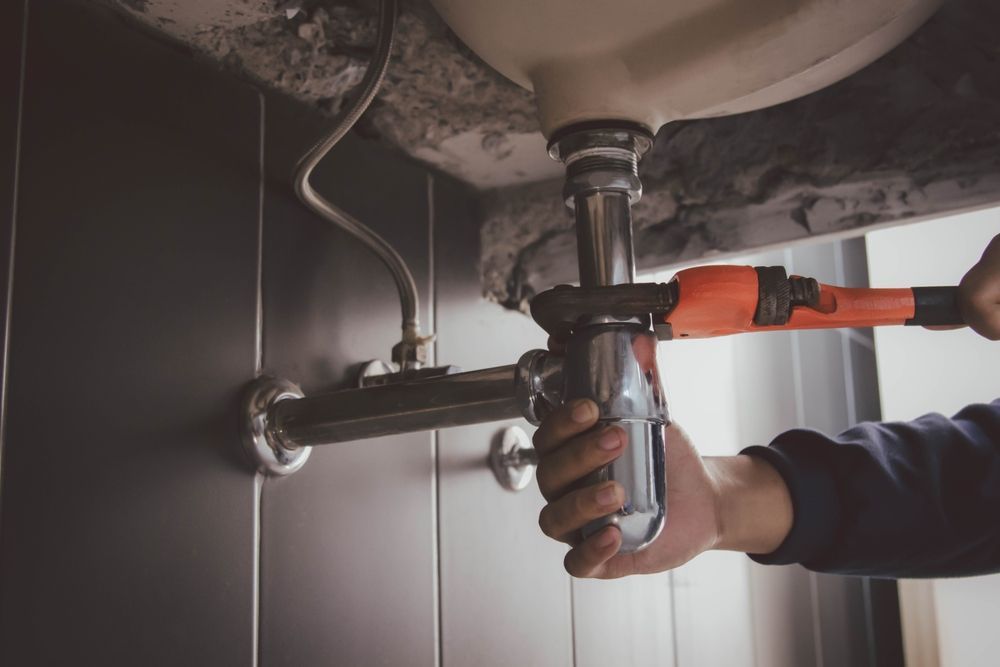
The repair process starts with identifying the existing pipe material, measuring wall thickness and diameter, and selecting fittings designed specifically for that material and pressure rating. Copper repairs require proper flux application and torch work to create leak-free solder joints, while PEX repairs use expansion or crimp rings sized for the tubing diameter. CPVC repairs demand solvent cement compatible with the pipe formulation and proper cure time before pressurizing the line. Using the wrong connection method or mixing incompatible materials creates joints that leak under normal water pressure or fail completely during the next freeze cycle.
After repairs are completed, you'll notice water pressure restored to fixtures, no visible dripping or pooling beneath the home, and consistent flow without air pockets or sputtering at faucets. Repaired sections remain leak-free through seasonal temperature swings, and proper insulation or heat trace installation in freeze-prone areas prevents recurrence during the next cold snap. Multi-trade capabilities mean electrical work related to freeze damage, such as wet outlet replacement or ground fault issues from water intrusion, can be addressed during the same visit.
Plumbing repairs in crawl spaces also provide an opportunity to inspect adjacent pipe runs for similar wear patterns, corrosion, or insulation gaps that could lead to future failures. If multiple sections show freeze damage or material degradation, documenting those conditions helps prioritize additional work before more pipes fail. Proper support spacing and insulation upgrades protect vulnerable sections year-round.
Common Questions About This Service
Homeowners dealing with freeze damage and aging supply lines often have questions about repair methods, material compatibility, and how to prevent recurrence.
What happens during a plumbing repair visit?
The plumber identifies the pipe material, locates all damaged sections, and determines whether compression fittings, soldered joints, or expansion connections are required based on material type and location. Repairs are completed using fittings and methods designed for the specific pipe, and the system is pressure-tested before the visit concludes.
How long do plumbing repairs typically take?
Most freeze-related supply line repairs require two to four hours, depending on how many sections are damaged and whether crawl space access is restricted. Homes with extensive freeze damage across multiple pipe runs may require additional time to complete all repairs and verify system integrity.
Why do some repairs fail after a few months?
Incorrect fitting selection, incompatible materials, or improper installation techniques create joints that leak under pressure cycling or thermal expansion. In Christiansburg's freeze-prone climate, repairs using generic compression fittings on CPVC or incorrect solder flux on copper fail quickly when temperatures fluctuate.
What should I look for when hiring someone for plumbing repairs?
A plumber who identifies pipe material before selecting repair fittings will use the correct connection method and prevent repeat failures. Ask whether the repair includes pressure testing and whether insulation or freeze protection is added to vulnerable sections.
When should I replace pipe sections instead of repairing leaks?
If multiple leaks appear along the same pipe run, if the pipe material is brittle or heavily corroded, or if freeze damage recurs in the same location despite repairs, replacing the affected section prevents ongoing maintenance costs and reduces failure risk.
Colt Electric and Home Services provides material-correct plumbing repairs for freeze damage and aging supply lines in residential properties across Christiansburg and the New River Valley. Contact us to arrange a repair visit and receive a detailed assessment of pipe condition and recommended repair approach.