
Lightning and Grid Surges Stopped
Surge Protection in Christiansburg for properties exposed to ridge-top lightning and utility switching surges
Ridge-top and open-lot properties along the 460 corridor in Peppers Ferry and the Corporate Center area experience elevated lightning strike frequency and utility switching surges that damage electronics, HVAC controls, and appliance circuit boards. Whole-home surge protection installed at the panel paired with point-of-use protection at sensitive devices provides comprehensive coverage that power strip surge protectors cannot deliver alone. Colt Electric and Home Services installs panel-level surge protection that intercepts high-voltage spikes before they enter branch circuits, combined with device-level protection that handles smaller surges and ensures redundant defense against both direct strikes and line-conducted transients.
Panel-level and device-level protection combined covers the failure modes that single-device power strips miss entirely, including surges entering through utility lines, grounding paths, and communication cables. Whole-home protection clamps voltage spikes at the main panel, limiting energy that reaches downstream circuits, while point-of-use devices provide secondary protection for equipment sensitive to even minor voltage fluctuations. Licensed installation with NEC-compliant placement means surge protection devices are bonded correctly and coordinated with grounding systems for maximum effectiveness.
Request a surge protection consultation to evaluate your property's exposure and determine the appropriate protection level.
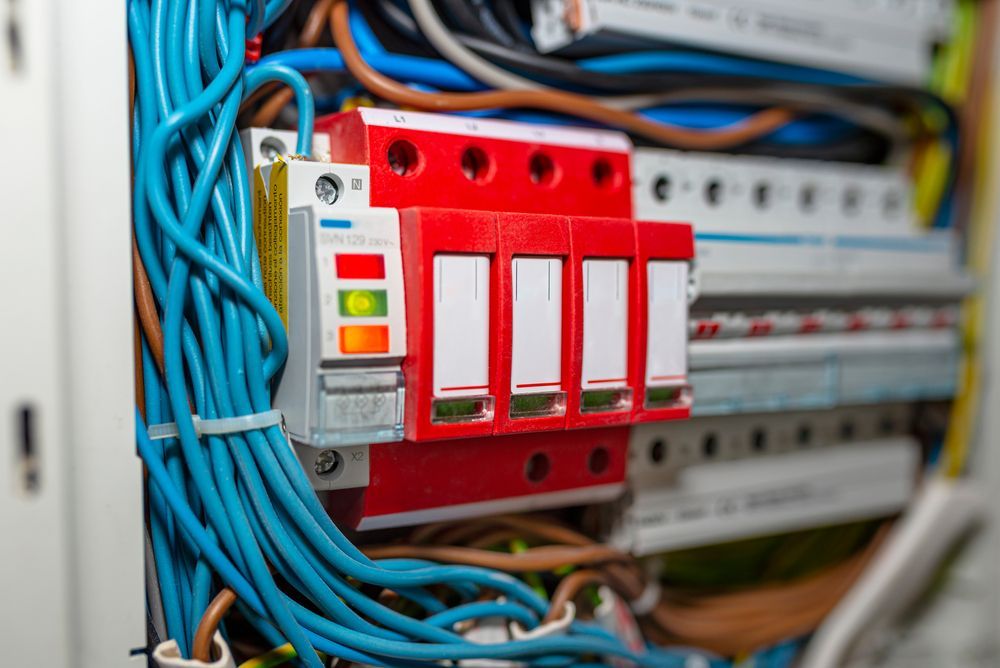
The Difference Between Panel and Device Protection
Whole-home surge protection installs directly into the main panel and connects across the service entrance, clamping voltage spikes above safe thresholds and diverting excess energy to ground. This installation intercepts surges before they propagate through branch circuits to outlets, light fixtures, and hardwired appliances. Point-of-use protection adds a second layer at individual outlets or equipment, handling smaller transients that pass through the panel-level device and providing localized clamping for sensitive electronics like computers, entertainment systems, and communication equipment.
After installation, you'll notice that power surges from lightning strikes or utility switching no longer damage appliance control boards, HVAC system electronics, or computer equipment. Devices that previously required replacement after storms remain functional, and nuisance resets or unexplained equipment failures stop occurring after electrical weather events. The combined protection system also guards against surges entering through cable, phone, or fiber lines, which bypass outlet-based protection entirely unless addressed at the point of entry.
Surge protection devices include indicator lights or status displays that confirm the unit is operational and has not sacrificed itself absorbing a major surge. Regular inspection during electrical service visits verifies protection remains active and effective. Properties in high-exposure areas benefit from whole-home protection rated for higher joule absorption and faster response times to handle repeated lightning-induced surges without degradation.
Answers to Frequent Service Questions
Homeowners evaluating surge protection often want to understand the difference between whole-home and plug-in devices, and how installation works.
What's the difference between whole-home surge protection and power strips?
Whole-home protection installs at the main panel and clamps surges before they enter any circuit, while power strips protect only devices plugged into that specific strip and offer no protection for hardwired appliances, HVAC systems, or other circuits. Panel-level protection also handles larger surge currents than plug-in devices can absorb.
How is whole-home surge protection installed?
The device mounts inside or adjacent to the main electrical panel and connects across the service entrance conductors, with a dedicated grounding connection. Installation requires opening the panel and making connections under load, so it must be performed by a licensed electrician with proper safety procedures.
Why do properties along the 460 corridor need surge protection?
Ridge-top and open-lot locations experience higher lightning strike frequency due to elevation and exposure, and rural utility lines in the New River Valley see voltage transients from switching operations, tree contact, and wildlife-caused faults. These conditions create recurring surge events that gradually degrade electronics even when immediate damage isn't visible.
What should I look for when choosing surge protection?
Devices rated for higher joule absorption and lower clamping voltage provide better protection, and units with status indicators show when the device has sacrificed itself protecting your home. Whole-home protection should be installed by a licensed electrician and coordinated with proper grounding.
When should I install surge protection instead of relying on power strips?
If you have hardwired appliances, HVAC systems, or well pumps that cannot be protected by plug-in devices, or if you live in an area with frequent lightning activity, whole-home protection provides comprehensive coverage that power strips cannot deliver. Installation before surge damage occurs prevents costly equipment replacement.
Colt Electric and Home Services installs NEC-compliant whole-home and point-of-use surge protection for residential properties across Christiansburg and the New River Valley. Arrange a property assessment to determine the appropriate protection level for your location and electrical system.