
Licensed Wiring Behind Every Smart Device
Home Automation in Christiansburg for tech-forward homeowners who need code-compliant electrical work behind smart home integration
Virginia Tech proximity in the Corporate Center area and Sunset Hills drives demand for smart home integration, but those installations require licensed wiring behind the devices to meet code and maintain insurance coverage. Colt Electric and Home Services handles both low-voltage and line-voltage work with the same crew, eliminating the coordination gap where smart home installs most often fail when two separate contractors have to hand off between device mounting and circuit work. The single-crew approach means low-voltage data and control wiring is run in sync with line-voltage power circuits, preventing delays and finger-pointing when systems don't function after installation.
Home automation involves integrating smart thermostats, lighting controls, security systems, motorized shades, and connected appliances into a unified control platform, and each component requires either low-voltage control wiring or line-voltage circuit modifications to function reliably. Licensed electricians verify that circuits supplying smart devices are grounded correctly, sized appropriately, and wired to support the communication protocols the automation platform uses.
Schedule a consultation to review your smart home integration requirements and confirm your electrical system supports the devices you're installing.
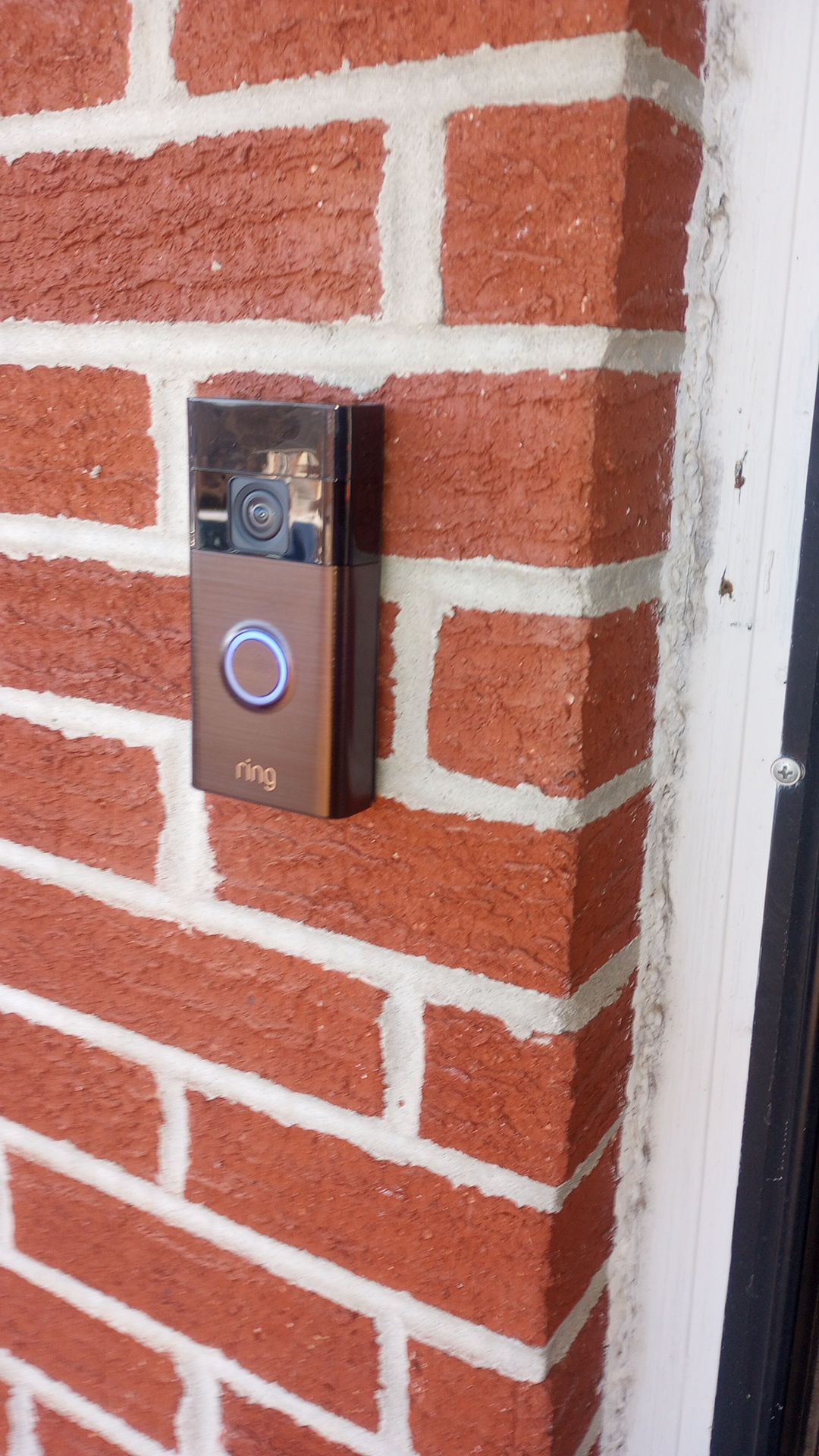
How Single-Crew Installation Prevents Handoff Failures
Single-crew capability means the same team that runs Cat6 data cables for network switches also installs dedicated circuits for smart hubs, reconfigures switch boxes for dimmer compatibility, and verifies neutral wires are present in locations where smart switches require them. This eliminates the gap that occurs when a device installer mounts equipment only to discover the electrical box lacks the neutral conductor needed for the device to power on.
After installation, you notice smart devices that respond immediately to commands, lighting scenes that transition smoothly without flickering or dropped connections, and automation routines that execute reliably because the wiring infrastructure was designed to support communication and power simultaneously. Devices stay connected to the network because data cables are run to proper spec and terminated correctly, not draped loosely or kinked in ways that degrade signal quality.
Colt Electric and Home Services works with platforms homeowners select, verifying compatibility between existing electrical infrastructure and the automation system requirements. Older homes in the New River Valley often lack neutral wires in switch boxes, requiring circuit reconfiguration before smart switches can be installed.
What Property Owners Usually Ask
Homeowners planning smart home installations in Christiansburg frequently ask about wiring requirements, platform compatibility, and what separates a code-compliant install from a device-only setup.
What is the difference between low-voltage and line-voltage work in home automation?
Low-voltage work involves data cables, control wiring, and communication lines that operate below 50 volts, while line-voltage work modifies or installs circuits supplying 120V or 240V power to devices, and both must meet code when integrated into a smart home system.
Why do some smart switches require neutral wires and what happens if the box doesn't have one?
Smart switches use the neutral wire to power internal electronics even when the light is off, and boxes without neutrals require circuit reconfiguration to add the conductor before the device can be installed.
How does coordination between trades affect smart home installation timelines in Christiansburg?
Single-crew capability eliminates scheduling delays caused when separate electrical and low-voltage contractors must coordinate access, reducing installation time and preventing the handoff errors that occur when one trade leaves incomplete work for another.
When should electrical upgrades happen relative to device installation?
Electrical work should be completed first, ensuring circuits, neutral conductors, and network infrastructure are in place before devices are mounted and configured.
What smart home platforms does Colt Electric and Home Services support?
The platforms supported depend on homeowner preferences and device compatibility, with wiring designed to meet the electrical and data requirements of the selected system.
Colt Electric and Home Services brings licensed electrical expertise to smart home integration across the New River Valley, ensuring code-compliant wiring behind every device. Request a site evaluation to assess your home's readiness for automation and identify any electrical upgrades required before installation.